

As a business owner, you can accomplish these tasks with bookkeeping software, or you can hire a bookkeeper to do them for you. Accountants help with budgeting and financial forecasting, providing insights into your business’s future performance and helping you make informed financial decisions. Bookkeepers record and organize all transactions, making it https://centromarovi.cl/2025/05/20/single-step-income-statement-definition-format/ easier to track the financial health of your business. If you struggle with keeping things in order, a bookkeeper can step in and manage this for you. Bookkeepers and accountants work together by handling complementary tasks that support a business’s financial health.
Advantages of working with an accountant
While only 30% of small businesses surveyed reported working with an accountant, those who do cite accountants as their most important advisors. Marianne Hayes is a freelance writer who’s How to Invoice as a Freelancer been covering personalfinance for nearly a decade. She specializes in small-business news,budgeting, saving and wealth management.
Financial Planning and Analysis

Accounting and bookkeeping are both critical aspects of sound business financial management, but the two roles differ. Bookkeepers primarily handle business recordkeeping, while accountants create financial statements, prepare tax returns, analyze cash flow strategies and more. We’ll highlight the differences between these financial professional roles to help businesses decide the best way to handle their books and taxes. In the intricate tapestry of finance, accountants act as linguists, translating the story of a company’s financial health through the meticulous upkeep of the general ledger. Certified Public Accountants (CPA), as specialized members of the accounting profession, go beyond routine tasks.

Financial Statements: Who Prepares What?

Accounting tasks go beyond data entry and include in-depth financial analysis. For example, accountants might conduct cost analyses, prepare financial forecasts, manage compliance with financial regulations, and offer advisory services based on financial health reports. For entrepreneurs and high-growth businesses, differentiating between bookkeeping and accounting is crucial for effective financial management. While these terms are sometimes used interchangeably, they refer to distinct processes within the financial landscape of a business.

Forensic Accountant
- Small businesses that deal with inventory face unique bookkeeping challenges.
- Plus, you’ll receive valuable insights and financial advice from experienced professionals on achieving business growth and stability in the long run.
- We believe everyone should be able to make financial decisions with confidence.
- For instance, a bookkeeper might recommend the software for a double entry system of accounting, but the accountant would approve it.
- Small businesses often face unique financial challenges, requiring tailored accounting and bookkeeping solutions.
- As an accountant, you may have to crunch numbers, but those are not the only skills needed.
- On the other hand, accountants need a formal degree in Accounting or finance, along with professional certifications like CPA or ACCA.
They collaborate with management to set financial goals, allocate resources, and monitor performance against the budget. However, these certifications are optional; people don’t need one to be a professional bookkeeper. 24/7 Support – A professional BPO will offer you ‘round the clock instant response to your questions or needs. Service and accuracy are often what will differentiate between outsourcing firms. If it’s sloppy and erroneous, then those mistakes will haunt the bookkeeping forever.
Certifications such as Certified Bookkeeper (CB) can add value but aren’t mandatory. Forensic accounting combines auditing, accounting, and investigative skills to evaluate a businesses finances and determine any instances of fraud. Double-entry accounting is the method most commonly used what is the difference between bookkeeping and accounting by complex businesses, even very small ones.
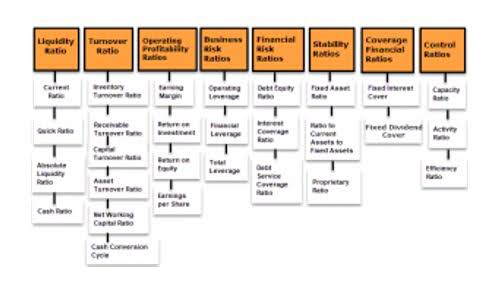
What Is Accounting? Understanding Its Role in Financial Management
- Monthly reconciliations maintain accuracy and prevent financial mismanagement.
- Bookkeepers post debits and credits to record each transaction and make sure all income and expenses are accounted for.
- Bookkeepers are ideal for tracking transactions and managing invoices, while accountants handle advanced accounting tasks, such as tax planning and forecasting.
- Bookkeeping and auditing are similar in the way that both of them deal with the financial records of the business involved.
- They ensure that transactions, such as revenue, expenses, assets, and liabilities, are appropriately categorized.
Accounting, on the other hand, involves a comprehensive accounting process that goes beyond just recording transactions. They provide crucial insights that can aid in decision-making and strategic planning. Both bookkeeping and accounting play critical roles in the financial management of a business. Bookkeeping ensures that financial transactions are accurately recorded, while accounting interprets this data to provide valuable insights. Understanding the differences between the two can help business owners make informed decisions about their financial needs. We also discussed common challenges small businesses face in bookkeeping and accounting and how technology impacts these practices.
Machine Learning and Artificial Intelligence reshape finance through predictive analytics and forecasting future trends. Blockchain technology enhances financial practices by maintaining security and ensuring transaction transparency. Accountants typically need a bachelor’s degree in accounting or finance to qualify for many positions. These credentials showcase a high level of expertise and commitment to the profession.